Nokia Lumia 920
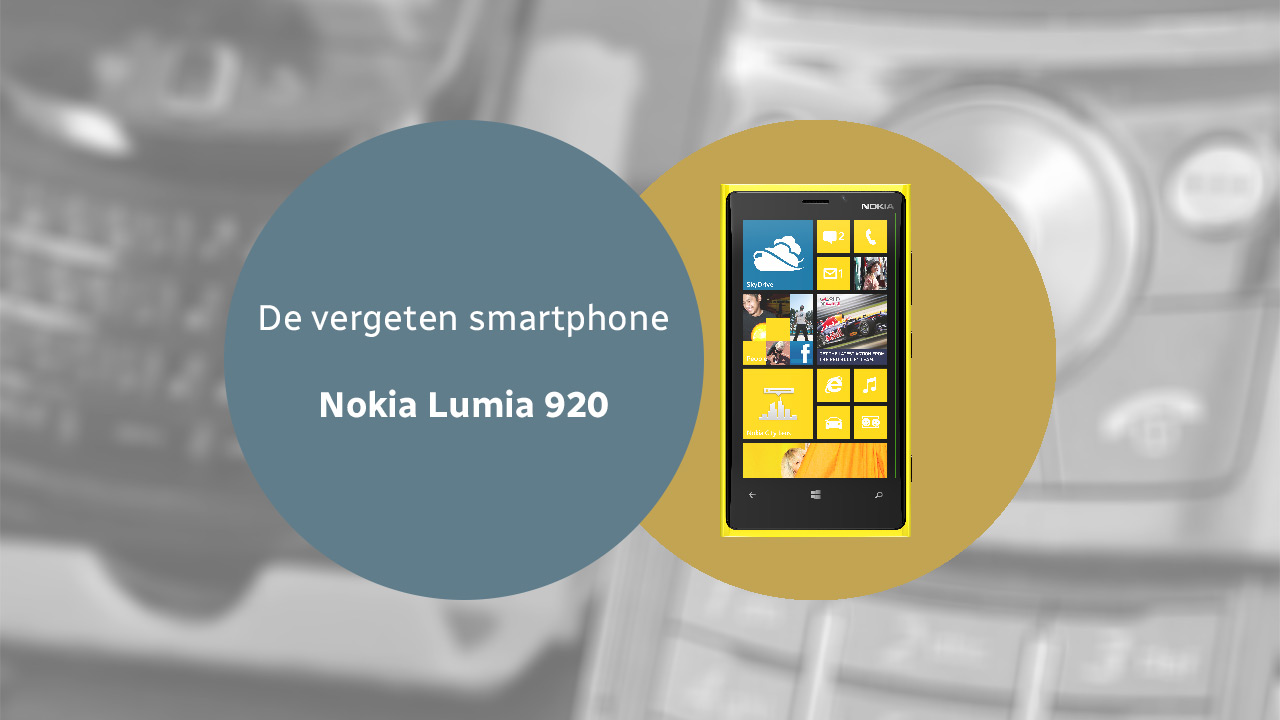
Nokia released several Lumia smartphones around 10-15 years ago: colourful devices that featured Windows Phone. So did the Nokia Lumia 1520 and Nokia Lumia 520, as well as many other Lumia devices that we reviewed earlier in our section. Today, we dive into the history and features of the Nokia Lumia 920. This device also featured a colourful body, with a choice of white, black, red, cyan, yellow and grey. The casing was made of polycarbonate. The phone was released by the brand in late 2012.
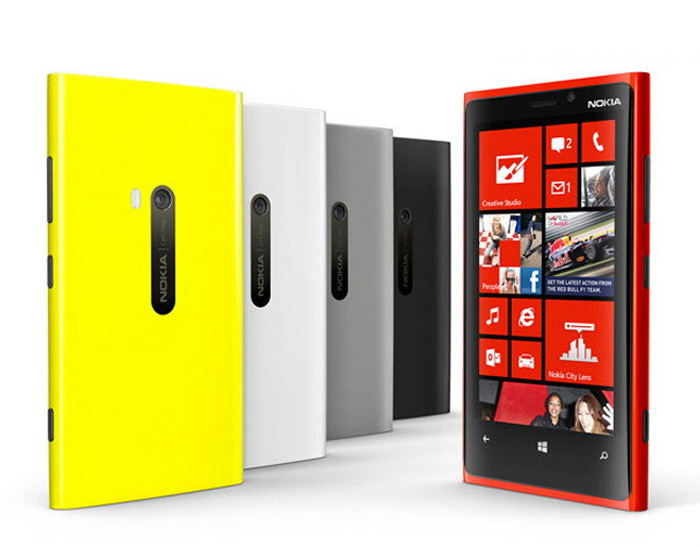
The Nokia Lumia 920 was praised for being considered one of the best Windows Phone handsets. Positive experiences were about the camera and its optical image stabilisation, where Nokia was one of the first smartphones with true OIS. For taking photos, the Lumia 920 featured a Carl-Zeiss 8-megapixel camera. Up front was a 1.3-megapixel front camera for taking selfies. The smartphone came with the Snapdragon S4 Plus dual-core processor. This along with 1GB of RAM memory. Memory for storing files came out to 32GB.
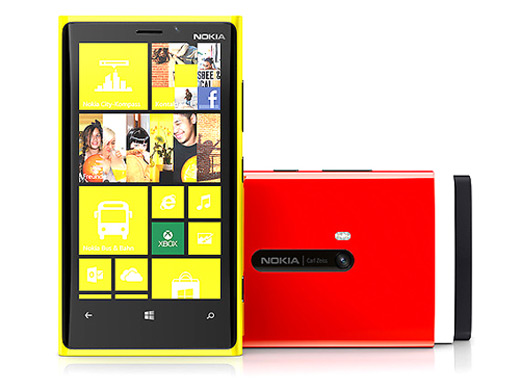
In terms of competition, the Nokia Lumia 920 did not have it very easy. The Finns' phone was up against the Samsung Galaxy S3 and later the Galaxy S4, and the HTC One X and iPhone 5 were also formidable opponents. Nokia delivered the device with Windows Phone 8, with an update to 8.1 appearing later. Windows Phone was characterised by a relatively modest range of apps, and an interface consisting of tiles.
On board the device was a 2000mAh battery, which you could also charge wirelessly. There was support for WiFi, Bluetooth 4.0 and location tracking. NFC and an FM radio could also be found on the device. Everything happened on the 4.5-inch IPS LCD screen, which boiod a resolution of 1280 x 768 pixels. Nokia Here allowed you to navigate for free; it was a distinctive feature, as the Finns' service could also be used offline.
The Nokia Lumia 920 appeared on the market at a price of around €575-600.
Nokia Lumia 920 summarised in 3 points
- Free (offline) navigation
- Colourful choices
- Optical image stabilisation in camera