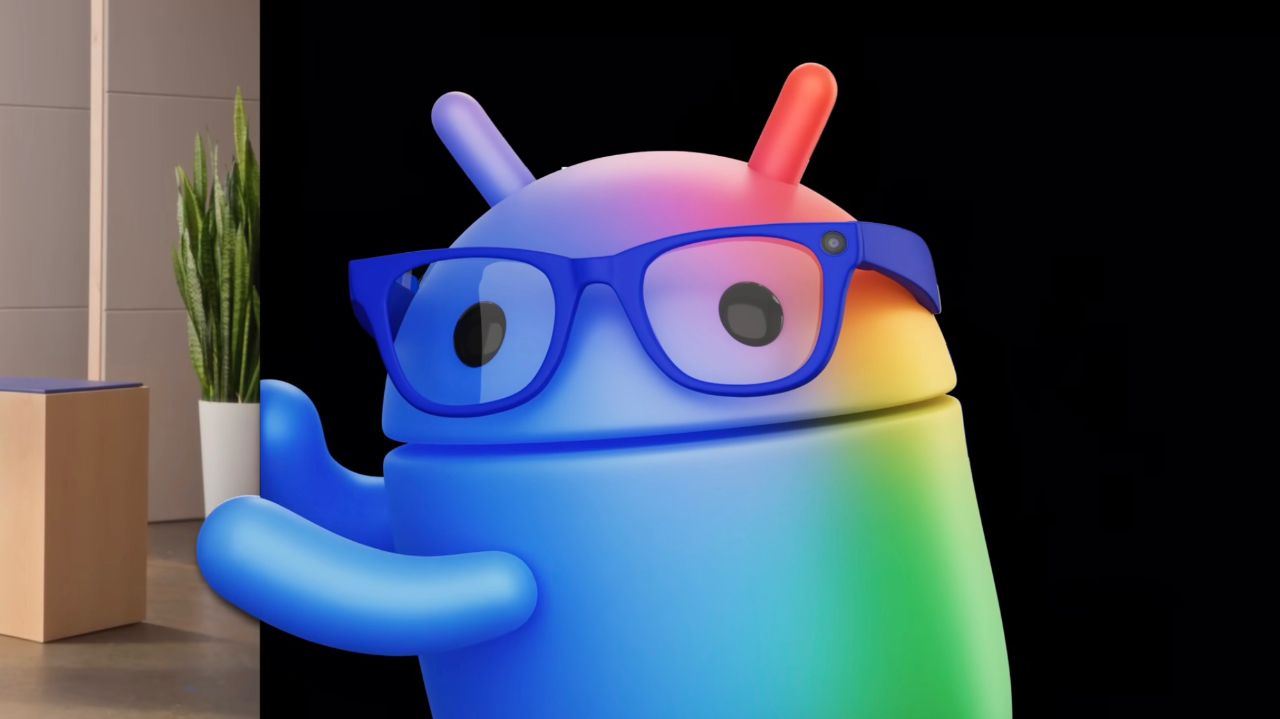
Android XR glasses are coming
Developed jointly with Samsung and Qualcomm, Android XR is all about Gemini, the AI assistant that is increasingly taking on the role of digital assistant. You talk to the glasses via "Hey Google" or a tap on the frame, after which Gemini can instantly respond to what you see or do.
The first version to appear are the audio glasses. These look mostly like normal, stylish glasses on the outside, developed in collaboration with brands such as Gentle Monster and Warby Parker. The idea is that you wear them all day without them standing out as a tech gadget.
What can you do with them? Quite a lot, although it remains mainly hands-free support. For example, you can ask exactly what you see: from the name of a building to the meaning of a road sign. Navigation also gets a big role, giving you step-by-step directions based on where you are looking.
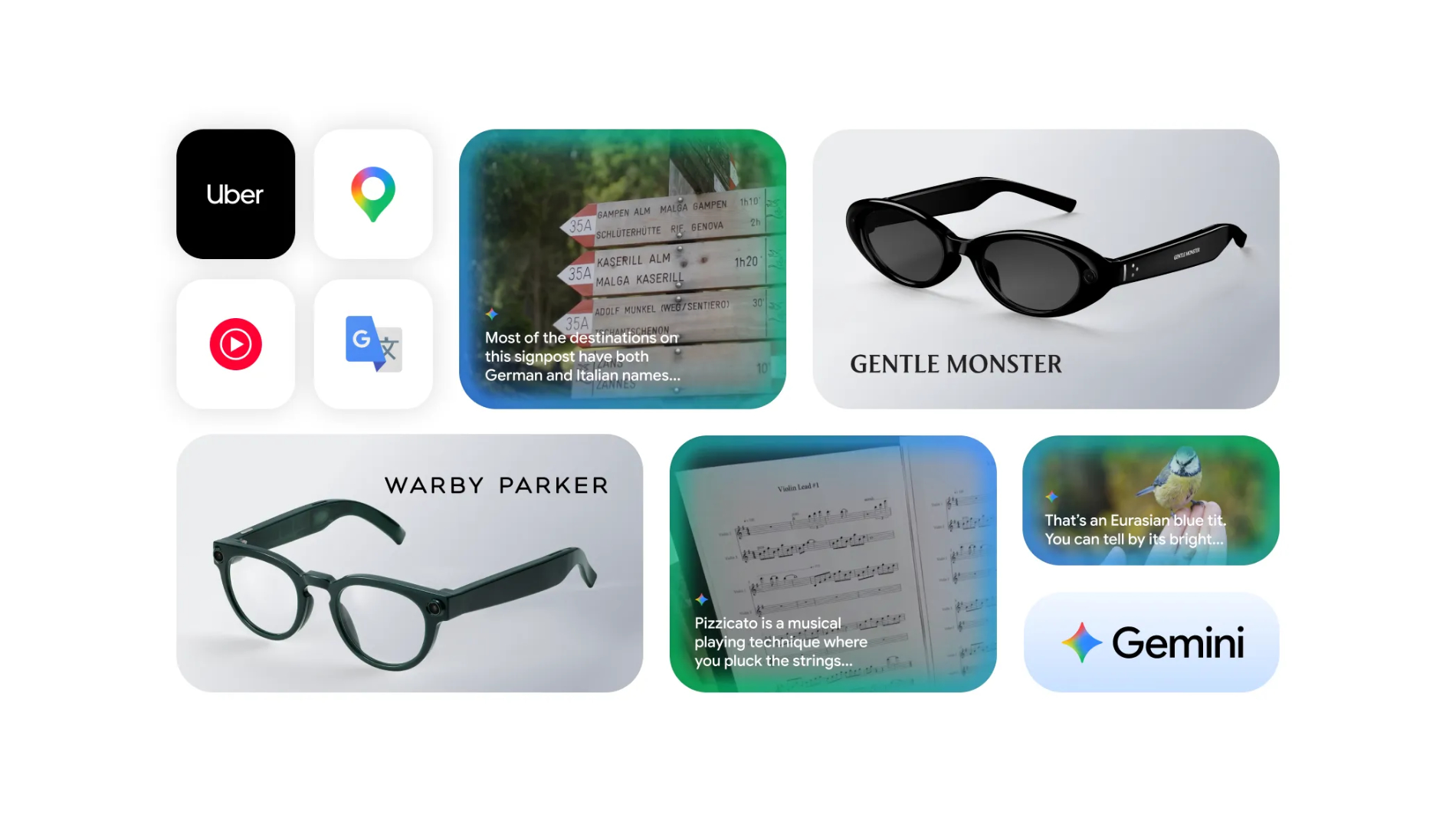
In addition, you can have messages read or summarised, make calls, play music and even get translations of spoken language or text in the environment. This could come in handy when travelling, for instance with menus or street signs.
The glasses also become more of an extension of your apps. You can use voice to order an Uber ride or learn a language through apps like Mondly, while your phone just stays in your pocket. In some cases, Gemini can even prepare actions in advance, such as placing an order that you only need to confirm.
A notable addition is the camera function. You can take photos and videos and instantly modify them with AI effects, such as removing objects in the background or adding playful elements.
Google is also working on a second type of glasses with a built-in display, but that will come later. The audio glasses will appear first, sometime in autumn. If and when the glasses will come to Europe is not yet clear. Google is initially focusing mainly on the US market. This at least makes competition with existing smart glasses, such as Meta's, a lot more direct.