HTC Desire
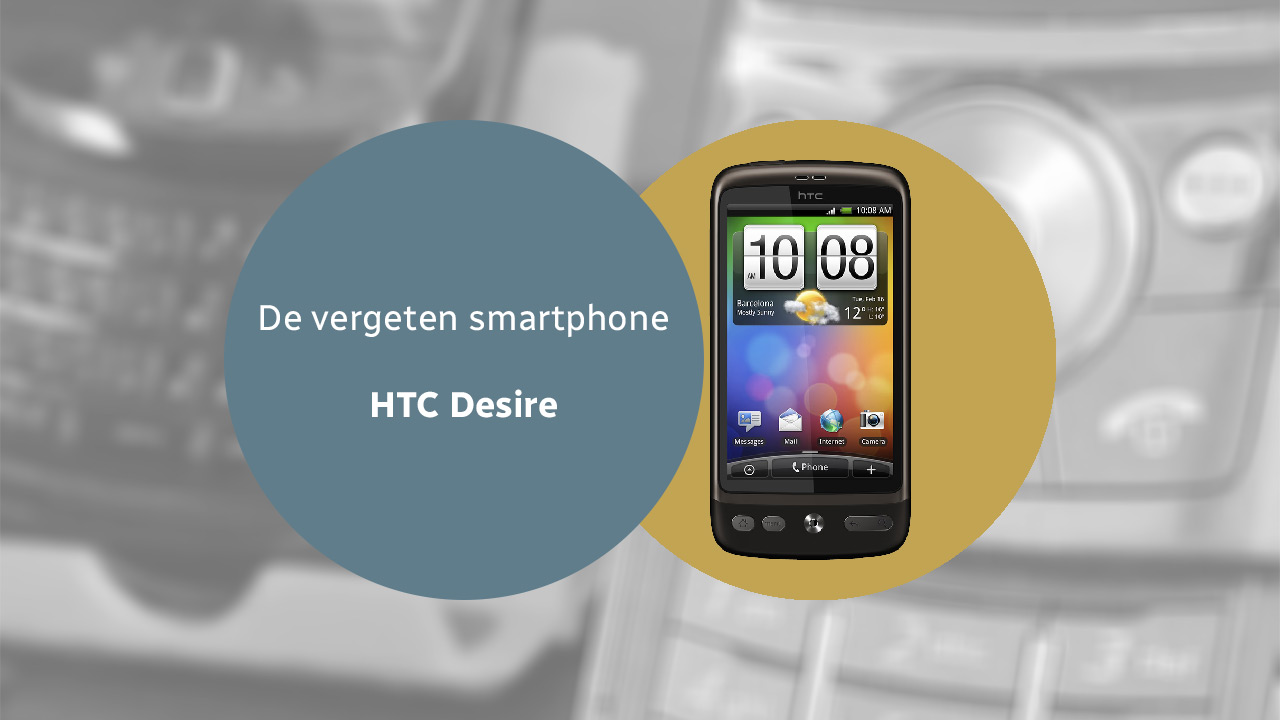
With the HTC Desire, HTC launched its third flagship smartphone running Android. From the factory, the device got Android 2.1 Eclair installed, later it was also upgraded to Android 2.2 Froyo. With its 3.7-inch AMOLED screen, 5-megapixel camera and 576MB of working memory, the device was ahead of its time. The 1400mAh-capacity battery is swappable.
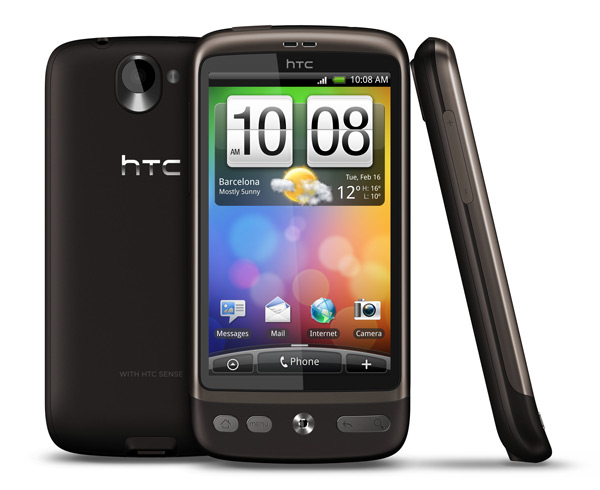
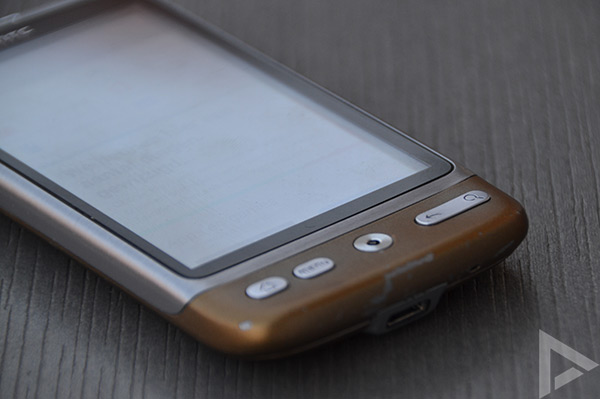
The front of the Desire features four buttons that allow you to return to the home screen or do a quick search. You will also find an optical trackpad there with which you can navigate through screens. Popular devices in 2010 included the Nexus One and Sony Ericsson Xperia X10. In which the X10 can be seen as this device's biggest competitor.
When the HTC Desire had already been available for a few months, AMOLED screens also became increasingly scarce. As a result, a good number of devices were equipped with an SLCD screen instead of the AMOLED display. First-time buyers, however, always had an AMOLED screen.
HTC Sense
The HTC Desire featured the HTC Sense user interface, which incorporated numerous features. For example, you could use Sense to instantly request the weather or pull up your social media like Facebook and Twitter, which you now know as X. Also new was the support for moving backgrounds, with live wallpapers you could, for example, display a moving lawn that showed a day and night cycle.
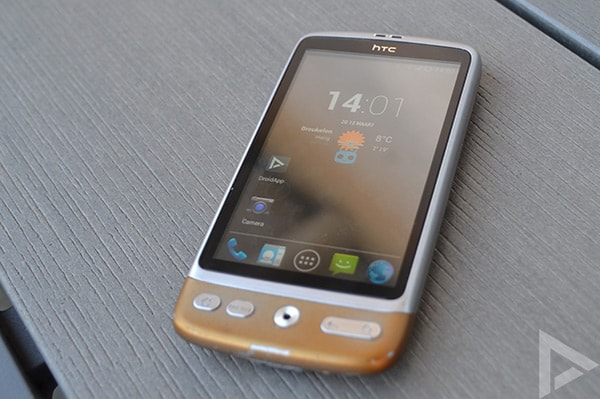
Special Scenes let you create profiles for during work or private use. This allows the home screen to show the applications you need for work, for example. In 2010, Sense was a very nice user interface with which a lot was possible, even now HTC Sense still exists, for example on the HTC 10. Here you can clearly see how Sense has matured in the years since. Stefan once uploaded the video below to YouTube in which we see the live wallpapers.
Other apps also found on the HTC Desire was, for example, HTC Peep, a small but handy Twitter application. HTC also supplied its own e-mail application on the Desire. The Google Play Store is also present on this device only it used to be called the Android Market.
After Android 2.2 Froyo
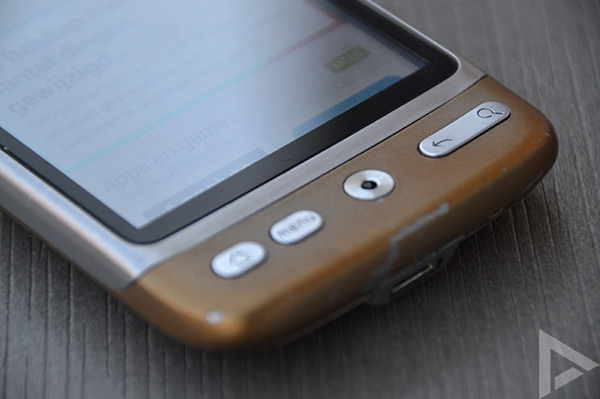
After the release of Android 2.2 Froyo, the HTC Desire no longer got an update, luckily for this device there was a very active community that released subsequent Android versions for the device. This way, you could eventually even install and use Android 4.4 KitKat on the device. In 2010, Android was on the rise but the OS was still seen as a technical operating system and a bit for "nerds".
The HTC Desire that I still own is also equipped with Android 4.4 KitKat. When we turned it on after seven years, the device still works quite nicely, although you can't use some apps. For a suggested retail price of just 449 euros, HTC gave you the HTC Desire. You can also find the video of the device's announcement below.
HTC Desire summarised in 5 points:
- Trackpad
- HTC Sense
- AMOLED screen
- Very active community support
- Early rise of Android