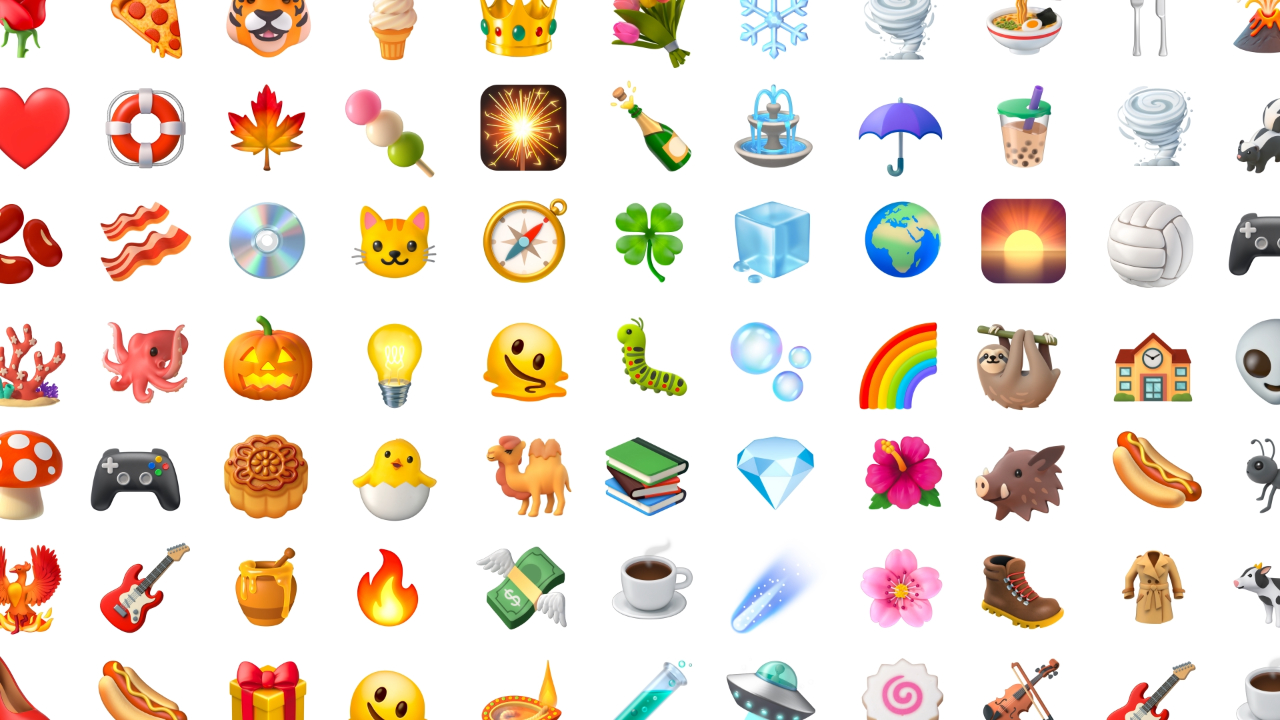
3D emojis
According to Google, the new design isn’t about making the images as realistic as possible. Instead, the emojis should remain recognisable, playful and expressive. That’s why they’re being given more depth, but without becoming photorealistic. The company emphasises that illustration is more important than anatomical perfection. For example, a kangaroo doesn’t need to look exactly like the real thing, as long as it retains a cheerful and recognisable appearance.
Before Google developed the new emojis, it carried out extensive user research. The company’s aim was to ensure that any changes would not negatively impact the way people communicate using emojis.
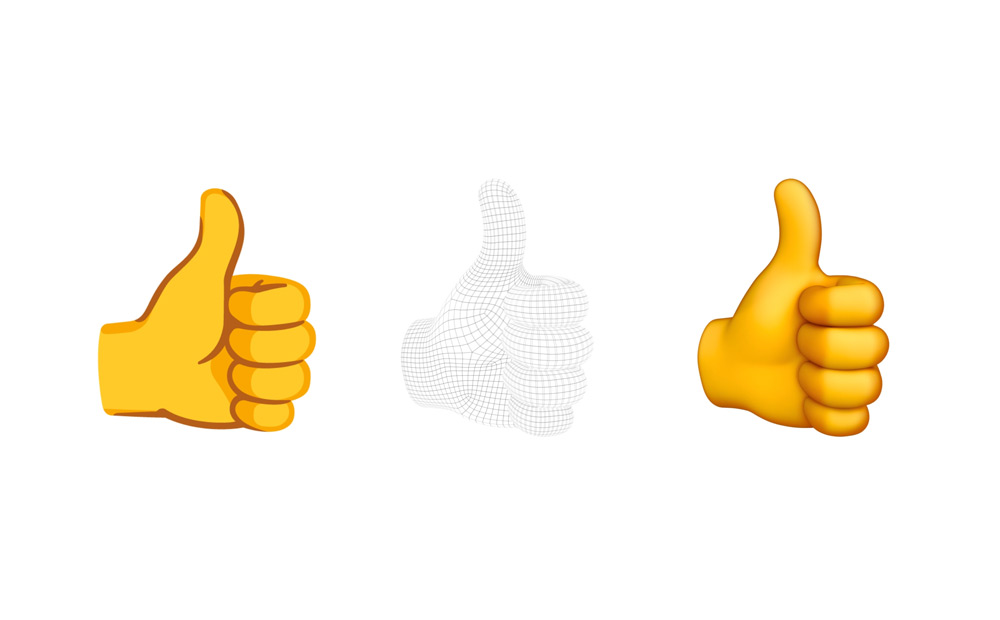
A few striking conclusions emerged from these studies. For instance, users appear to have a clear preference for animals shown in full, rather than just a head. It also emerged that adding extra accessories to emojis often makes their meaning less clear. According to Google, even minor adjustments, such as changing the direction of a wink, can lead to confusion or a completely different interpretation.
The development of the new emojis still began with traditional 2D drawings. Designers then had to determine what the figures would look like as 3D models. This raised some surprising questions, such as what the back of a smiling face should look like: is it a flat shape, a sphere or something else?
Accessibility also played an important role during the design process. Google noticed that emojis with the darkest skin tones are sometimes less visible in dark mode. That’s why the company developed an AI tool that checks, at pixel level, whether the contrast is sufficient. When an emoji isn’t standing out enough, the software makes suggestions which are then incorporated by the designers.
The new Noto Emoji 3D will first appear on Pixel devices later this year and will then be gradually rolled out to other Google products. In addition, Google is making all 3D models available as open source in OBJ format, so that developers and designers can also work with them themselves. In doing so, Google is taking the next step in the further development of the well-known emojis, without losing sight of their recognisable character.