Panasonic Eluga
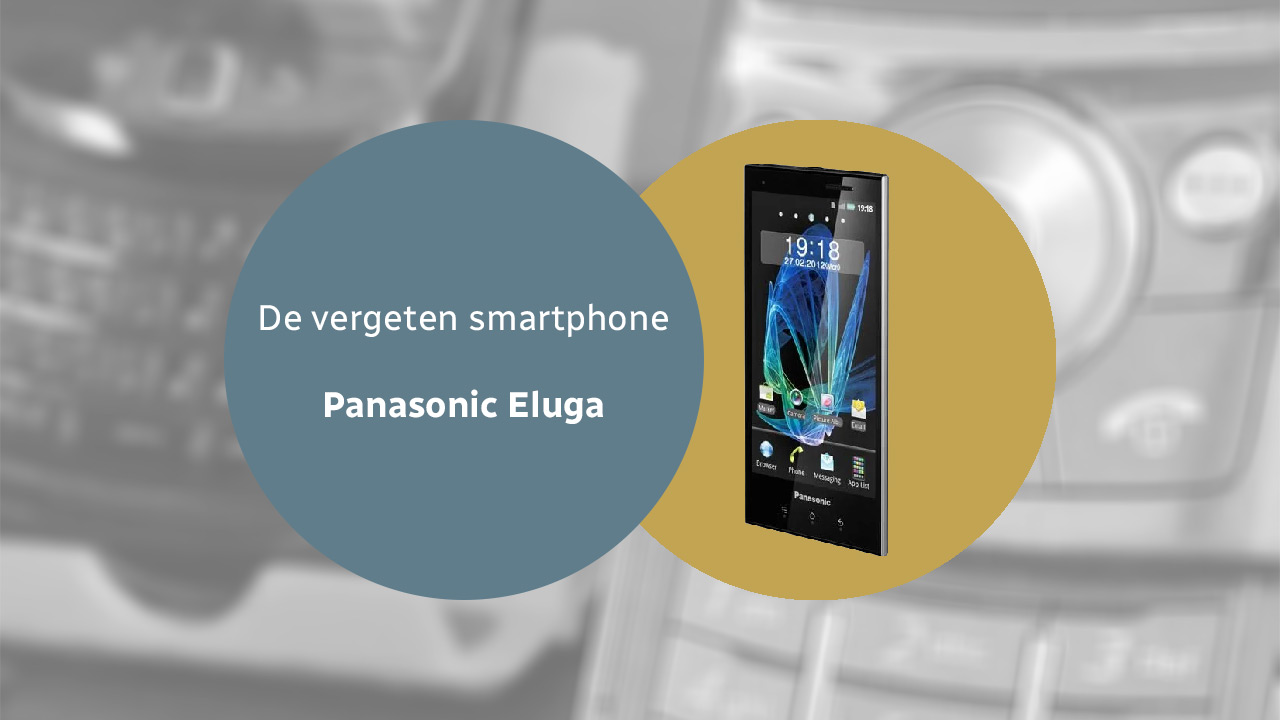
The Panasonic Eluga, known in full as the Eluga DL1, was intended to mark the Japanese manufacturer’s return to the European smartphone market. The phone was on display at the Mobile World Congress in 2012, which I attended at the time on behalf of GSM Helpdesk. The smartphone attracted a lot of attention. Although the phone has now clearly been forgotten, it was quite interesting at the time. Panasonic’s smartphone was, in fact, water- and dust-resistant, as well as being slim and lightweight. The distinctive Japanese design differed from that of its competitors. And there were plenty of competitors. These included the Galaxy S II, the Galaxy S III and the HTC One X.
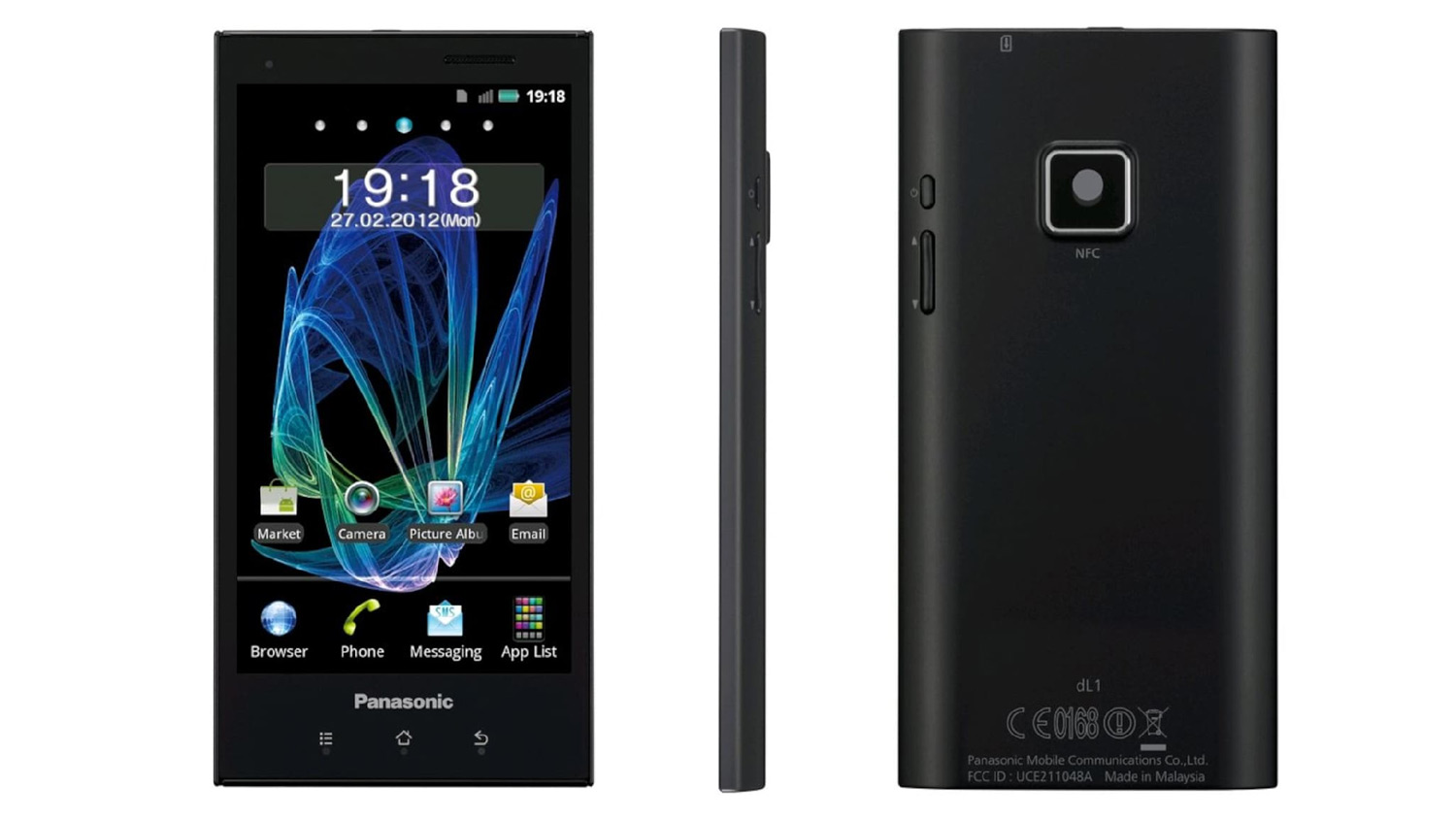
Let’s take a quick look at the design of the Panasonic Eluga. The phone was just 7.8 millimetres thick and weighed around 103 grams. This made it stand out immediately in terms of design. Panasonic fitted the Eluga with a 4.3-inch AMOLED screen. That panel delivered a qHD resolution of 960 x 540 pixels. That was, however, lower than several alternatives, as manufacturers were also opting for HD resolution around that time. Under the bonnet was a dual-core processor from Texas Instruments. To be precise, the OMAP 4430. It featured 1GB of RAM and 8GB of storage.
Naturally, the Panasonic Eluga also featured a camera. This was an 8-megapixel camera, which also offered the option to record 720p video. The camera quality received mixed reviews. The photos were reasonable, but were not on a par with competitors such as Nokia and Samsung. Other downsides included the small 1150 mAh battery, which resulted in mediocre battery life. Nevertheless, the Panasonic was well-equipped for its time. For instance, the Eluga already featured NFC, a technology that was still very much in its infancy back then.
Panasonic launched the Eluga for around €429. Yet it was not a success. At this price, the RRP was on a par with that of the very top-of-the-range models. Competing devices offered a more powerful processor, and for many European consumers, Panasonic was not a smartphone brand. It was also striking that the Japanese company released the smartphone with Android 2.3.5 Gingerbread, whilst Android 4.0 Ice Cream Sandwich was already available.
Panasonic Eluga summarised in 3 points
- Already had NFC and an AMOLED screen
- Was IP57 waterproof
- Very thin and light