LG G4
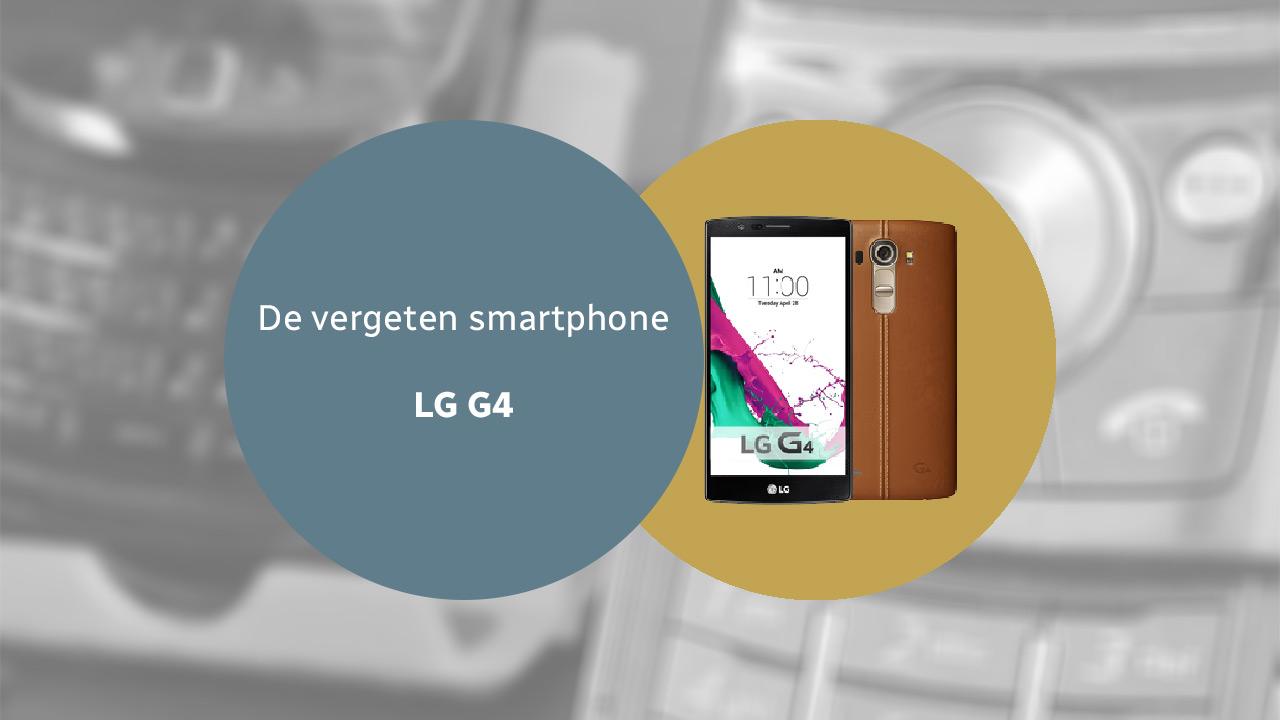
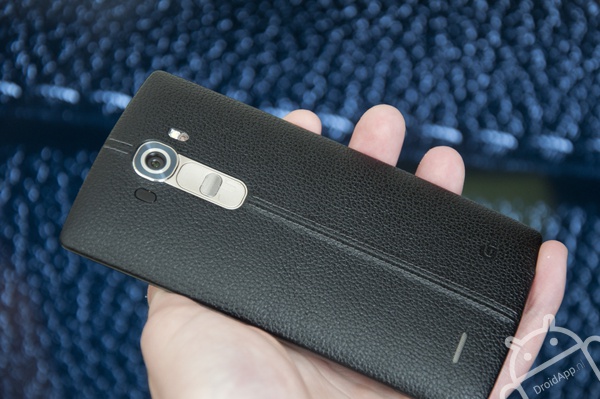
I recently received a Facebook memory. It was about the LG G4. Eleven years ago, I switched from the HTC One M8 to the LG G4. I’ve always had a soft spot for LG, because their phones were well-equipped in terms of specs back then, and they had a feature that few other phones had. That was the volume and power buttons on the back, rather than the side. It’s a shame we don’t see that anymore these days, because it worked incredibly well. From my office, I can still catch a glimpse of the LG G4 out of the corner of my eye, as I’ve included it in my display cabinet full of phones.
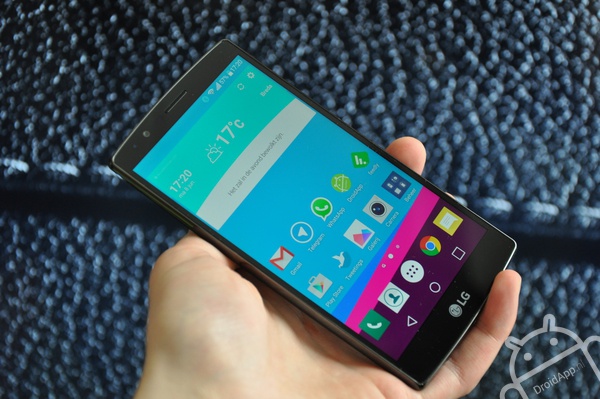
The LG G4 was released in the spring of 2015. At the time, I published a review of the LG G4. A striking feature of the device was that the smartphone was available with a leather back. There was some debate as to whether this was real or faux leather, as LG even provided care instructions for the leather. Although it was increasingly assumed that the leather wasn’t real.
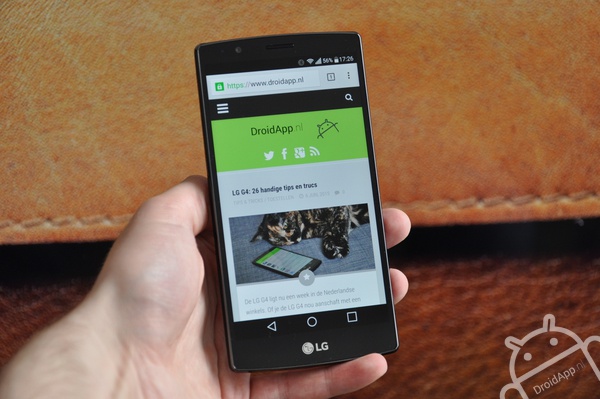
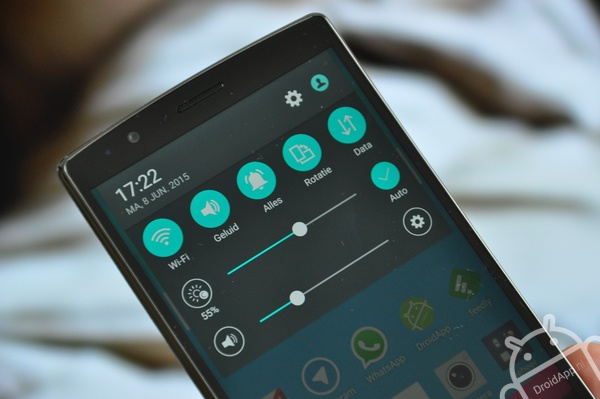
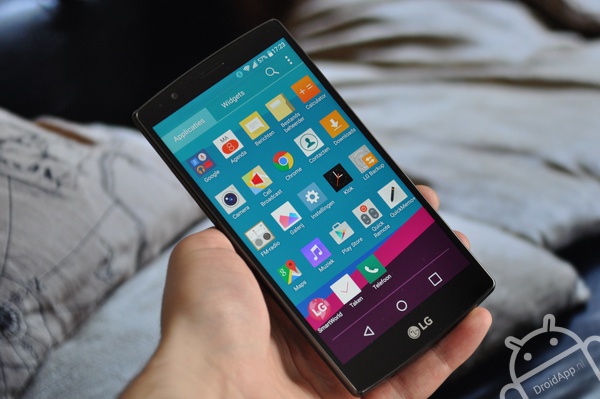
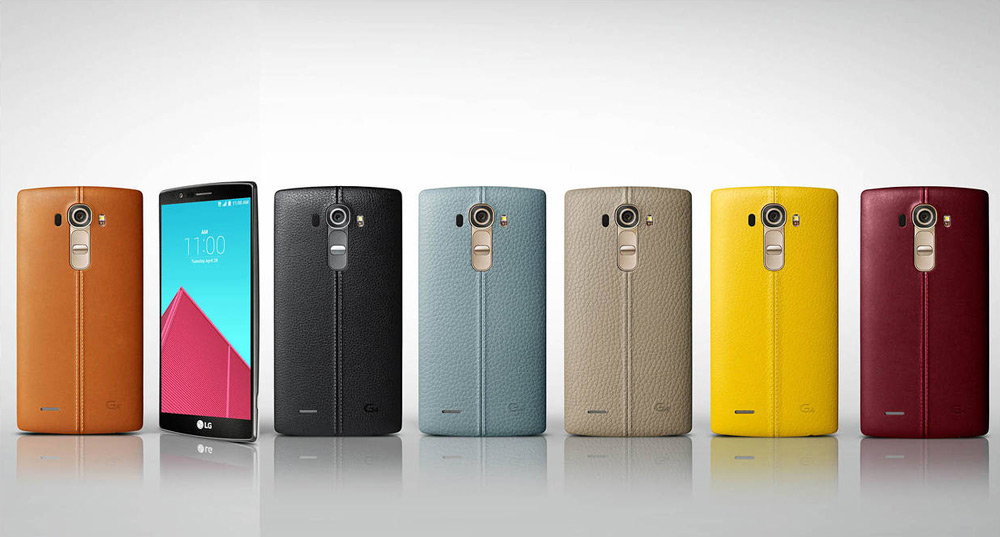
However, the package didn’t just include ‘the luxury’ back cover, but also a gold plastic back cover in red packaging. If you opted for the leather version, there were various colour choices. I opted for the black leather cover, but in our country you could also choose a brown leather colour. In various other regions, however, many more colours were released, including blue, yellow and cherry red. According to the Korean brand, it took 12 weeks per unit to produce the leather for the phone. The plastic version was available in our country in ceramic white, metallic grey and gold.
If you were lucky, a smartphone from that era would have an LED notification light. You’d also find that on the LG G4. Furthermore, the device was equipped with a 5.5-inch IPS display, with a resolution of 2560 x 1440 pixels. It also had a 3000 mAh battery that you could still swap out. I used to carry a spare battery for the phone myself on days when I was out and about for long periods. No power bank, just an extra battery. It had 3GB of RAM and 32GB of storage. This could be expanded with a memory card of up to 128GB. At the time, there were many negative reports about the Snapdragon 810 processor, which led LG to opt for a different chipset for the device. It became the Snapdragon 808 hexa-core. The LG UX 4.0 skin was layered over Android 5.1 Lollipop.
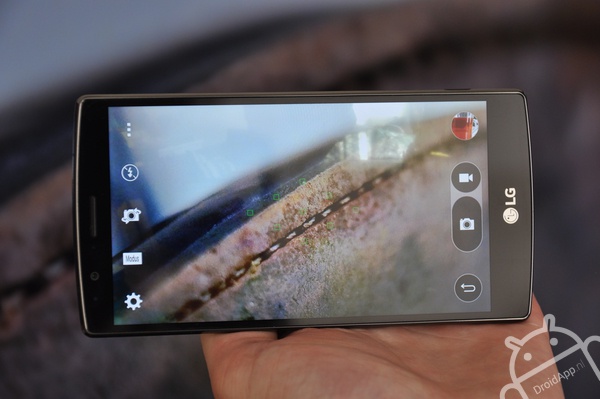
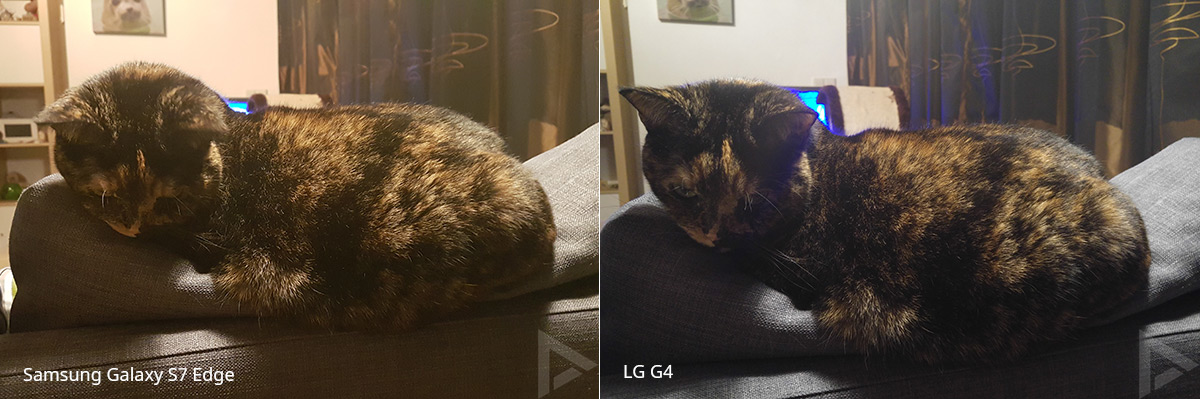
LG was fully committed to creating the perfect smartphone camera with the LG G4. This meant you could already take photos in RAW format with this device, allowing you to edit them afterwards. There was a 16-megapixel rear camera and an 8-megapixel front camera. Laser autofocus was available. At the time, the LG G4 was capable of taking very good photos. You can still find these in the digital photo album that we published back then.
There was quite a bit of competition for the LG G4. Huawei had released the rock-solid Huawei P8, Samsung launched the Galaxy S6 and S6 Edge, and HTC offered the HTC One M9. The G4 was launched at a price of €649 for the version with a plastic back. If you wanted the LG G4 with a leather back, you had to pay €699.
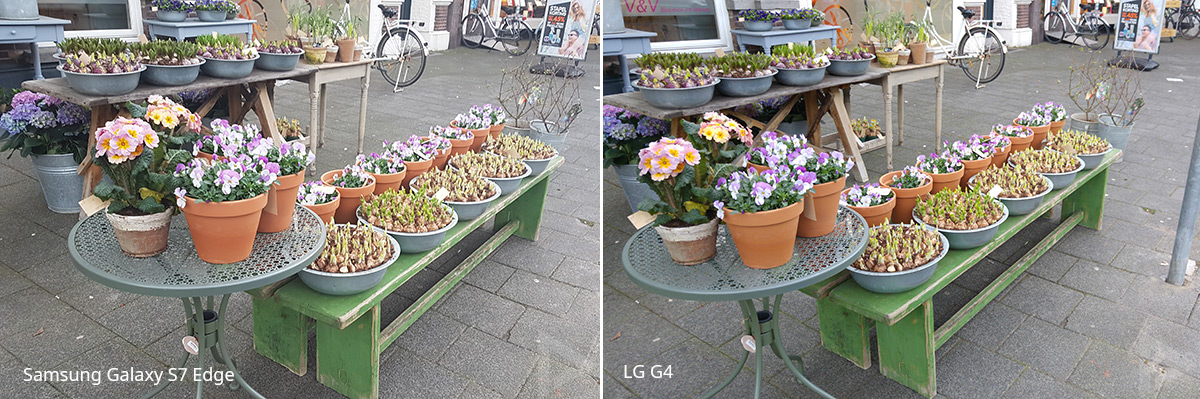
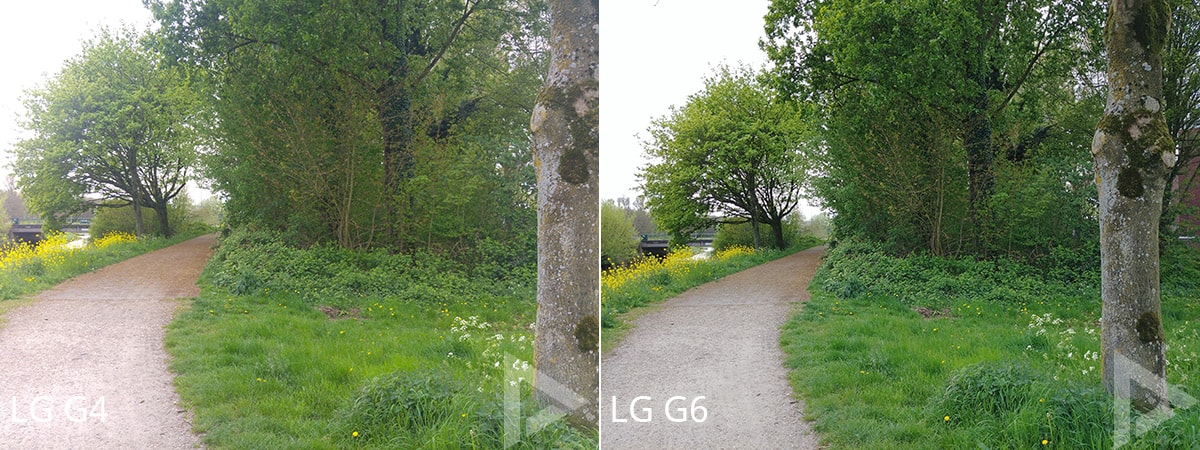
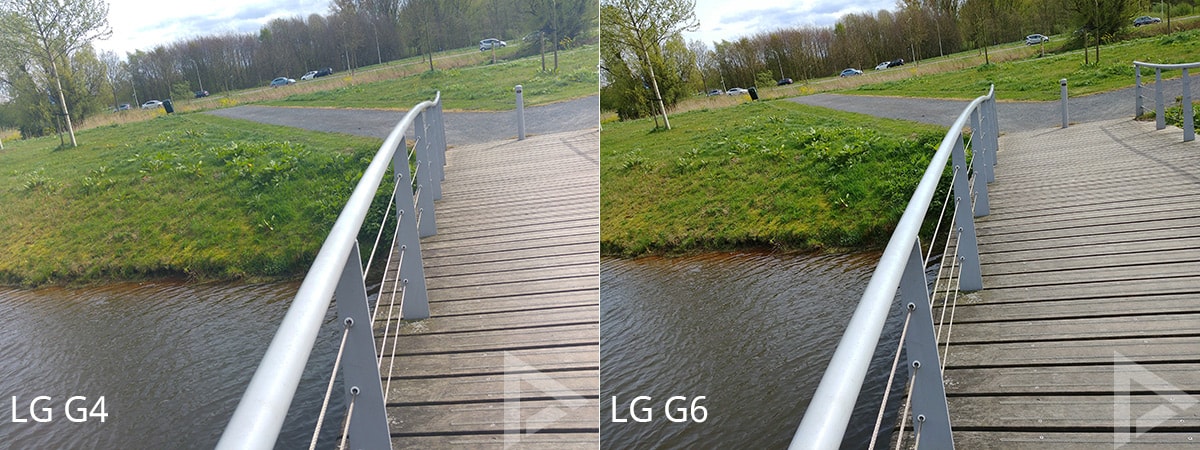
The LG G4 was updated up to and including Android 7.0 Nougat. Around 2.5 years after its release, LG stopped issuing security updates. Not every LG model escaped unscathed, however, as the news also highlighted the bootloop issue affecting certain series. It was a major problem, as it was one of the articles on DroidApp that received the most comments (over 130!).
Recommended read: An ode to LG: how LG made the smartphone great
Do you have any memories of the LG G4? Let us know by leaving a comment below this post. We’d love to hear from you!
The LG G4 summarised in 3 points:
- Leather back, but was it real leather?
- Snapdragon 808 hexa-core processor
- 8-megapixel camera