
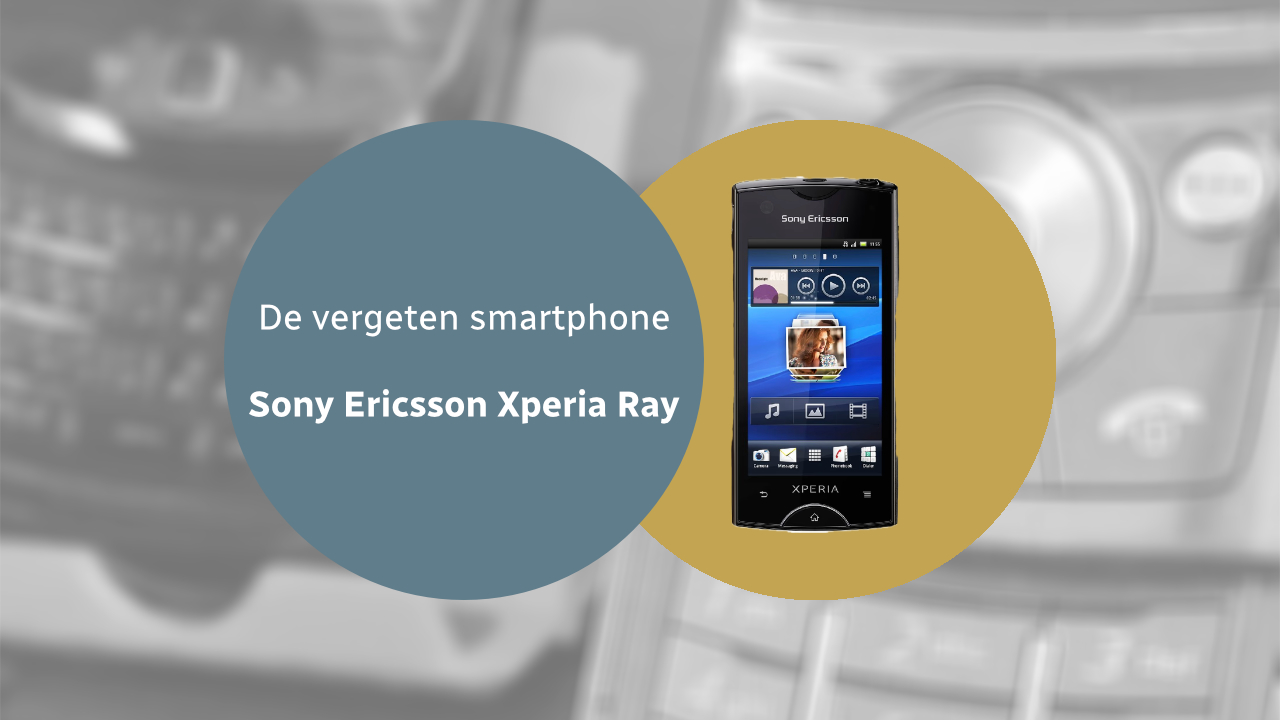
Sony Ericsson Xperia Ray
Sony is now only a small player in the smartphone market. Yet the company is not giving up. A few years ago, the brand was a lot more popular. Indeed, the brand was impossible to imagine the streets without. First with various 'normal' phones, such as the Walkman phone or the Cybershot, where the focus was on the camera. Sony Ericsson always managed to release stylish handsets with its own key feature. The brand's first Android phone was the Sony Ericsson Xperia X10, and more devices followed later. A few Android devices were also released in 2011. Think of the Xperia Arc and the Xperia Ray. We discuss the latter in our feature today.
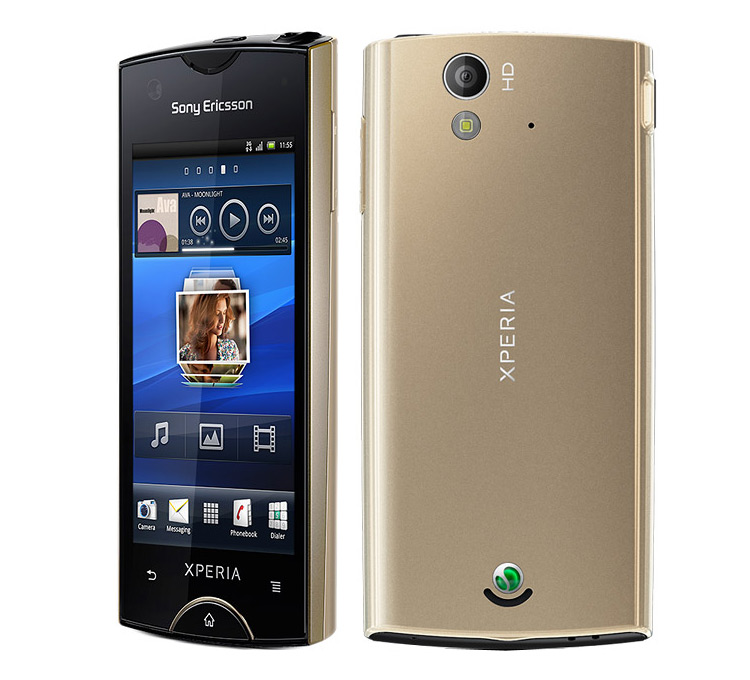
With the Sony Ericsson Xperia Ray, the manufacturer targeted the upper mid-range segment, but in a slightly more compact package. This made the device popular among users aiming for specifications of a near-premium device, but with a smaller screen. The LCD screen had a size of 3.3 inches and offered a resolution of 854 x 480 pixels. The dimensions of the device were 111 x 53 x 9.4 millimetres and the weight came out to 100 grams. This made it a nice compact, lightweight device. Below the screen were the touch-sensitive keys, which were separated with a home button that was stylishly designed with a semicircle. This also contained the LED notification, which could light up when there was a new notification, while charging or when fully charged.
Qualcomm's single-core Snapdragon S2 chipset was present in the device, as was 512MB of working memory and 1GB of storage. Fortunately, you could expand this with a memory card, as less than half of the available storage remained for the user. The rest was gobbled up by the system. For taking photos, the Sony Ericsson offered an 8-megapixel camera. It was notable that the flash did not go off automatically in dark conditions. You had to 'turn it on' beforehand. On the front, you had to make do with a lesser quality; a 0.3 megapixel VGA camera was placed there. Sony Ericsson delivered the Xperia Ray with Android 2.3 Gingerbread, after which the phone was kept up to Android 4.0.4 Ice Cream Sandwich with updates. The battery capacity came out to 1500 mAh.
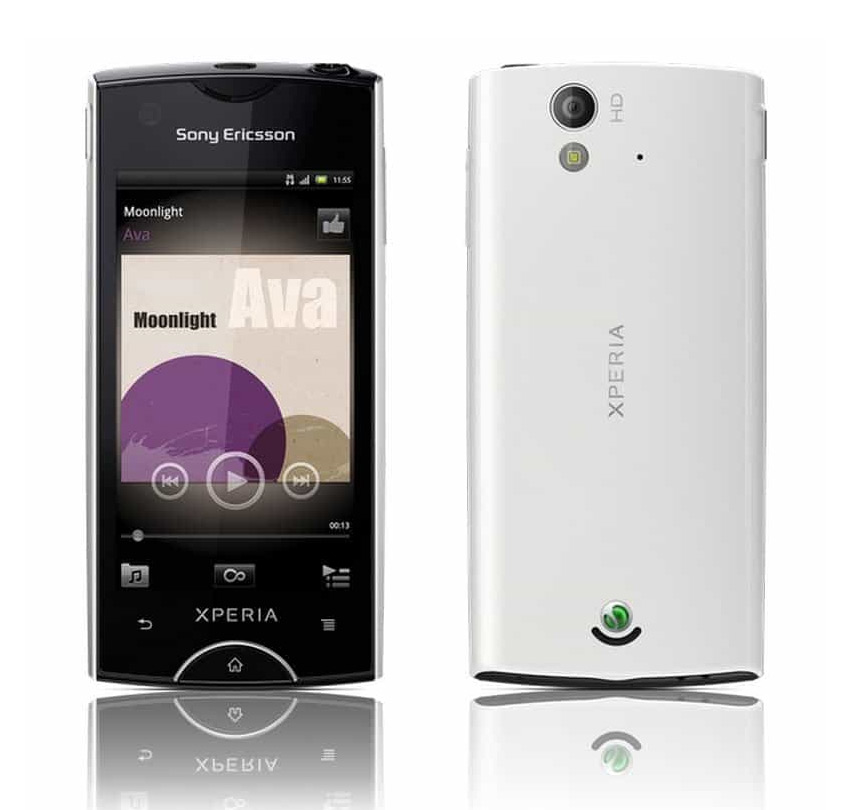
Sony Ericsson equipped the Xperia Ray with several brand-specific features. For instance, TrackID was pre-installed on the smartphone by default. This tool was previously found on many of the brand's non-smartphones. SensMe was also installed. This allowed your music to be analysed automatically, then through special playlists, appropriate music was combined, for instance for your mood or the tempo you wanted to hear.
With the public, the Sony Ericsson Xperia Ray managed to leave a good impression. The screen was well reviewed, as was the phone's battery life. Some found the lack of the HDMI port, which was present on the Arc, for example, a minus point. Also, the small screen regularly caused typos. Like the X10, for example, the software featured TimeScape, which allowed you to scroll through your social-media updates. The Xperia Ray came out in black, white, gold and pink for a price of around 300 euros.
Sony Ericsson Xperia Ray summarised in 3 points:
- LED notification in semicircle
- 8 megapixel camera without automatic flash
- 3.3-inch screen


