
HTC 10
We are still saddened that there is very little left of HTC. The once-successful smartphone manufacturer from Taiwan has disappeared from the scene with devices. A few years ago, a stray device released under HTC's brand name popped up here and there, but the purity of the manufacturer has been over for years. In 2016, the brand released the HTC 10. A device that we tested extensively in the HTC 10 review. With this device, the manufacturer wanted to compete with the already hefty competition. Namely, the high-end smartphone had to compete against Samsung's Galaxy S7 Edge, the LG G5 and the Huawei P9.
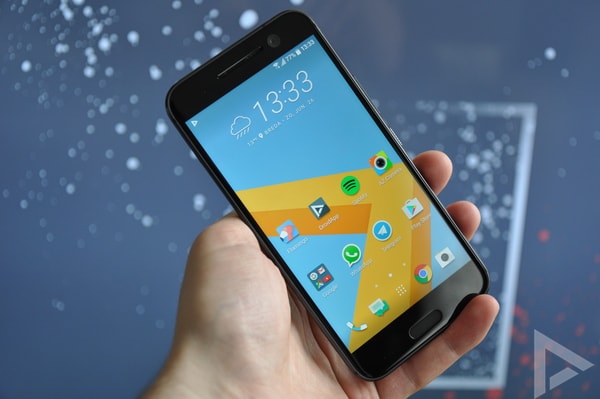
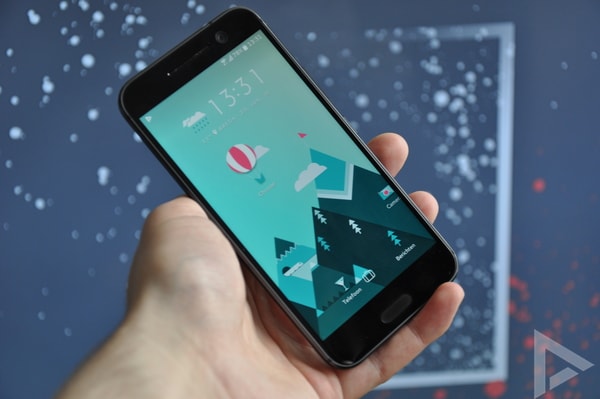
HTC released the smartphone with the Qualcomm Snapdragon 820 chipset, a high-end processor. Like several previous HTC models, the focus of the smartphone was on audio, with the HTC Boom Sound speakers. For this, the phone also offered several features. There was wide support for codecs and a proprietary DAC, and stereo speakers. Listening to music was through the Google Play Music app. You could store your music in your Google Play Music account, on the device's 32GB or 64GB storage, or on the microSD memory card. And here the HTC had something unique. You could use a memory card of up to 2TB. At the time, however, this size was not available. Today, such a memory card costs around 300 euros.
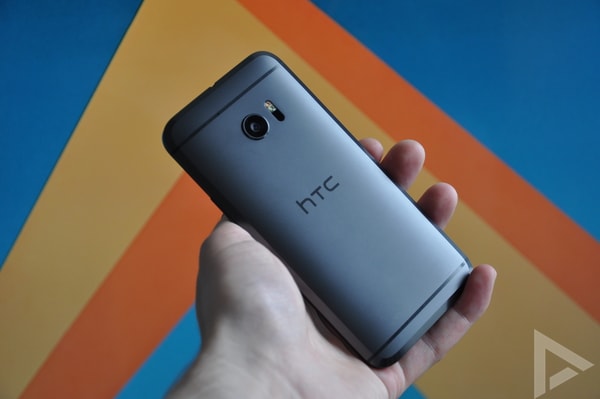
Taking photos with the HTC 10 was possible with the 12-megapixel camera on the back. Only with this lens. Additional lenses as is quite normal now, were not available back then. Our review revealed that the camera's performance was quite variable. A 3000 mAh battery was offered, and it did not always manage to perform well.
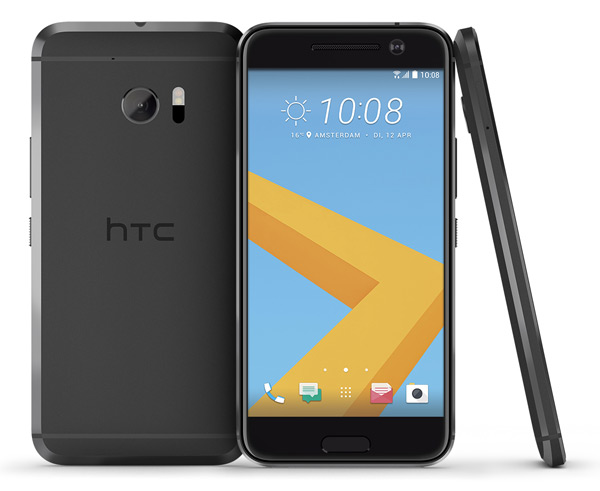
The HTC 10 featured a 5.2-inch Quad-HD touchscreen, with so-called Super LCD 5 technology. The screen was generally rated well. Unlike its predecessor, it no longer had an infrared sensor. The device was also a bit thicker and heavier than other models in its price range. This was partly due to the all-metal design.
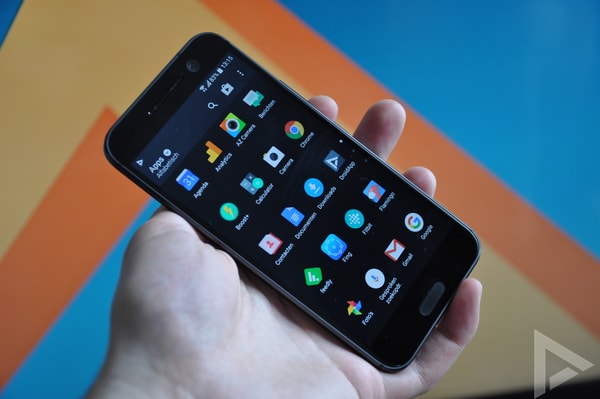
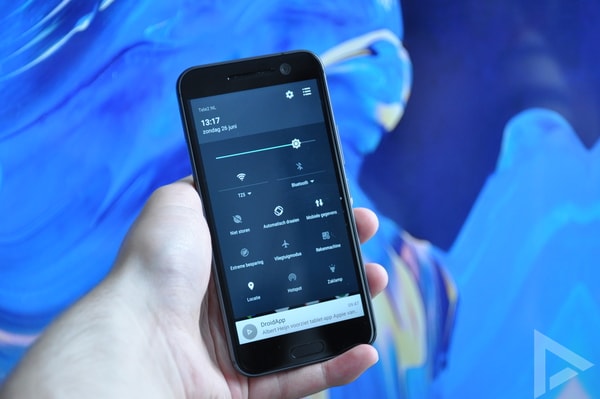
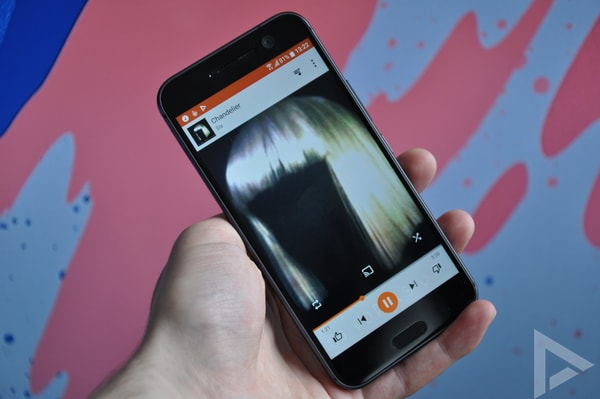
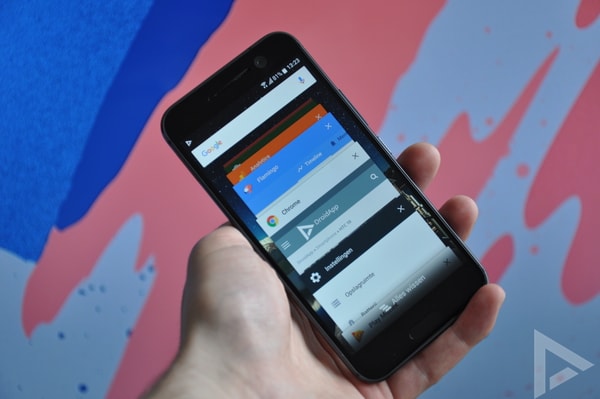
HTC delivered the smartphone with Android 6.0 Marshmallow. Over this was the familiar HTC Sense skin. It was improved over previous generations. It was a bit more subtle and there was less bloatware. Still, the HTC 10 did not manage to reach the wider audience. There was relatively little marketing, the HTC brand had already taken a beating and the competition was cutthroat. Not only with the aforementioned Android devices, but also with Apple. They released the iPhone 6s. In the time after, HTC employees were acquired by Google, working on the Pixel devices.
The HTC 10 appeared on the market for 749 euros.