
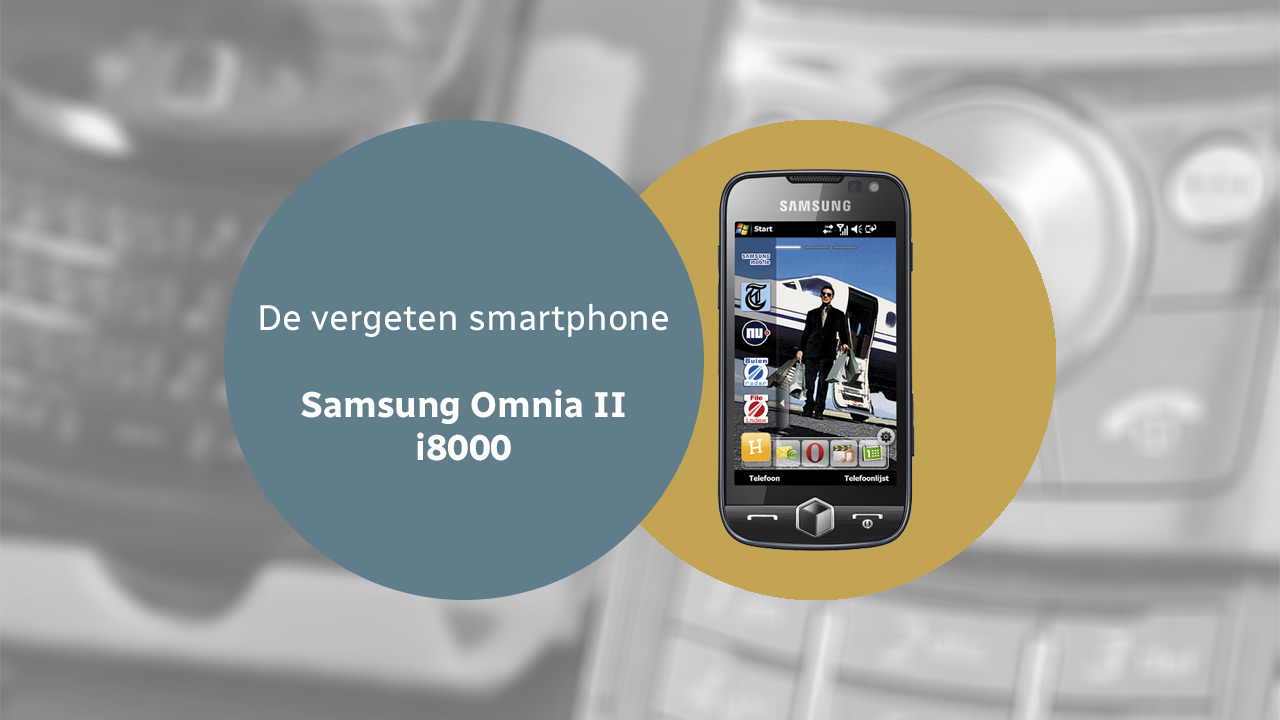
Samsung Omnia II (i8000)
In the years before Samsung opted for Android, the company experimented with different operating systems. We saw Tizen, but also Windows Mobile, Windows Phone, Bada OS (with the Samsung Wave) and Symbian. The company eventually embraced Android. In 2009, the South Korean manufacturer released the Samsung Omnia II, with type number i8000. The smartphone appeared on the market with Windows Mobile 6.1, followed later by an update to WP 6.5.
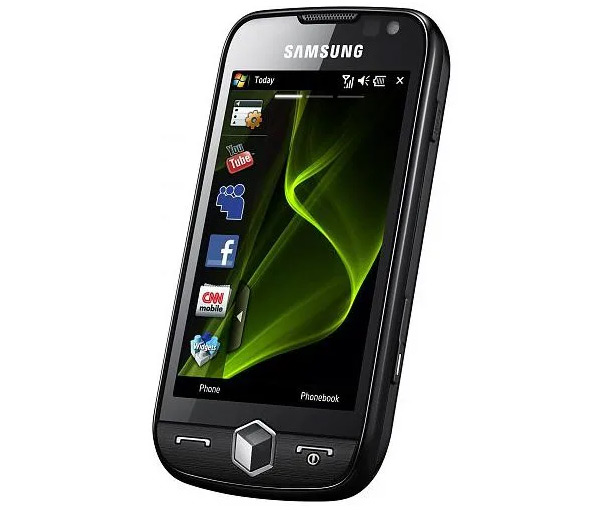
Samsung became big with its AMOLED screens, and such a screen was what we saw on this GT-i8000. The smartphone offered a 3.7-inch screen with 16 million colours and a resolution of 800 x 480 pixels. Remarkably, Windows Mobile could not handle such high colours, limiting it to 65,536 colours. This was a resistive touchscreen, so the touch was rather precise. It did not respond to the warmth of fingers, like the touchscreens you see today, but to precise touch. So you could operate the screen with your fingernail, or you could use the stylus pen that came with the device.
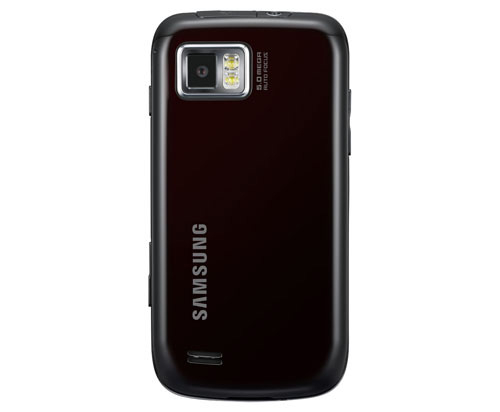
The high-end model was fitted with an 800MHz single-core processor from our own factory. This along with 256MB of working memory. For the Samsung Omnia II's internal memory, there was a choice of 2GB, 8GB and 16GB. The memory could be expanded via a memory card. There was WiFi, a 3.5 millimetre jack for a headset, Bluetooth 2.0 and GPS. An FM radio could also be found on the device. Applications could be downloaded from the dedicated app shop. By default, Samsung had already equipped the device with the Opera browser, and you could of course access the net with Internet Explorer.
Over Windows Mobile, the company laid the TouchWiz skin, as we knew from several other devices from the brand. That way, via the bar on the side of the screen, you could quickly access your favourite apps and services. In terms of software, there were other tweaks. For instance, Samsung equipped the Omnia II with the so-called 3D Media Gate. This is a cube interface that gives you access to the six main functions. By hovering over the cube, you could access your photo album, music player, browser or the camera, for example. It was a feature we also saw on HTC and LG at the time.
The Samsung Omnia II i8000 was received positively. Expectations were high beforehand and were met in practice. A strong competitor to that phone in 2009 was the HTC Touch HD, but it had to make do without an AMOLED screen. It was priced at EUR 649.
Samsung Omnia II summarised in 3 points
- Bright AMOLED screen
- Windows Mobile
- TouchWiz interface


)