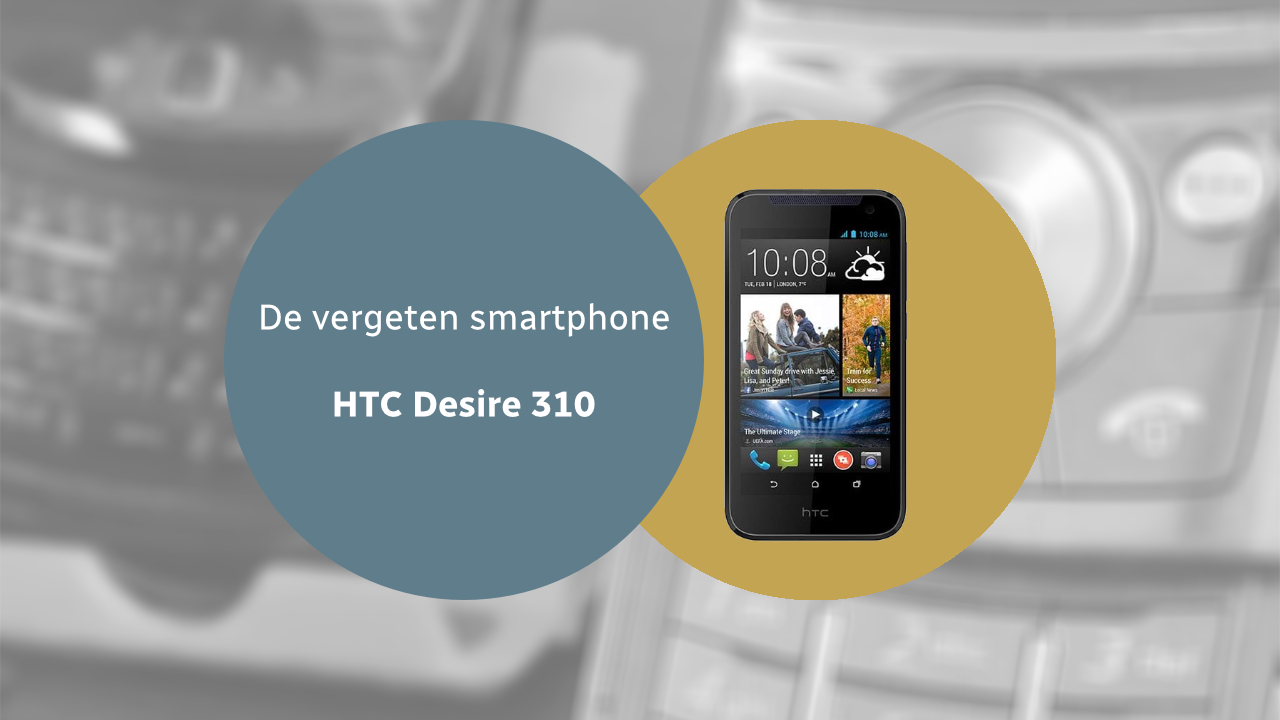
HTC Desire 310
Today we go back to the year 2014, when HTC still managed to score fine with devices. That is different today and the brand is virtually extinct. The smartphone was released in the entry-level segment, with a friendly price tag. An alternative to devices like Motorola's Moto G. The recommended retail price was around 169 euros. What did you get for that money?
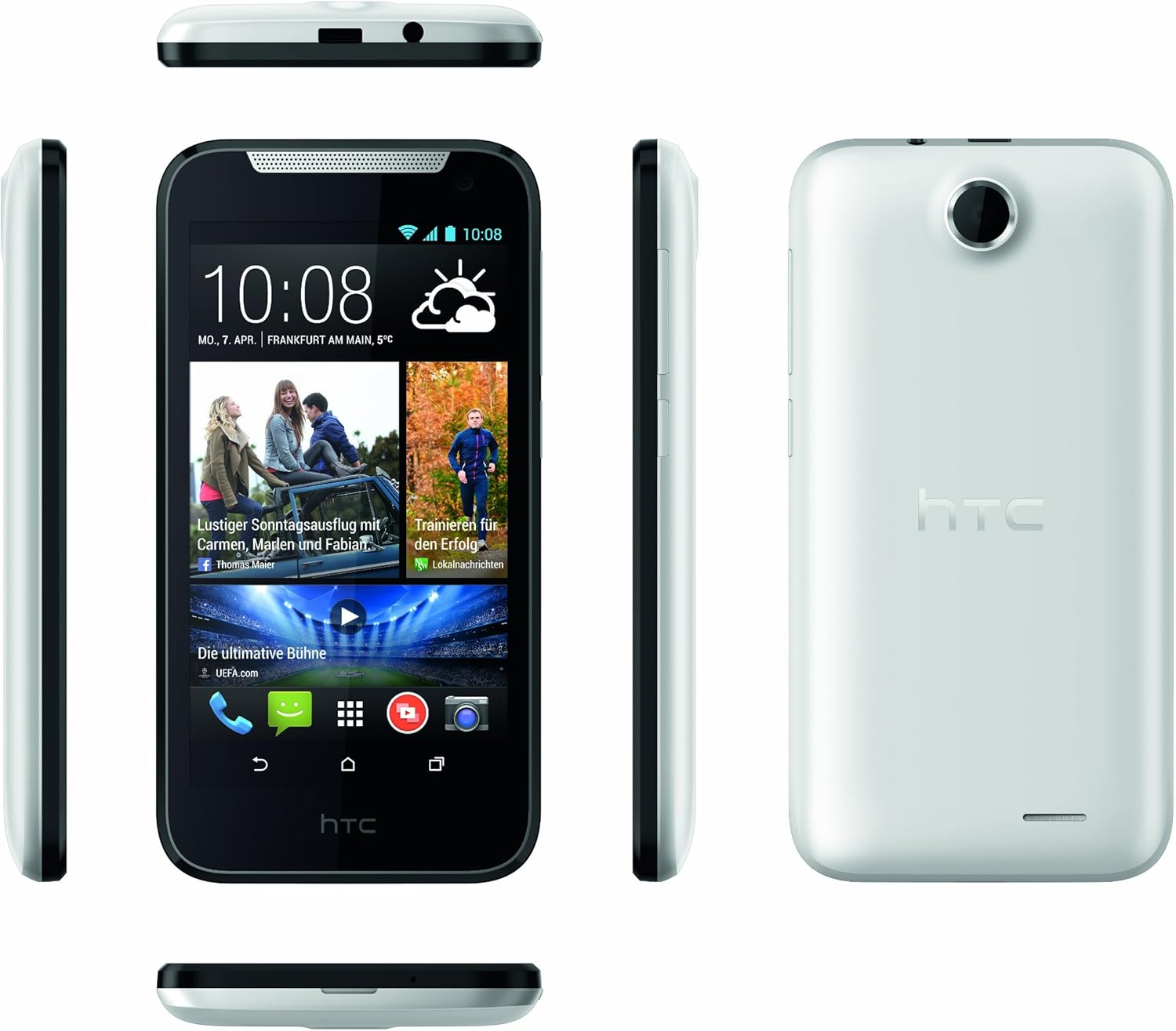
HTC equipped the Desire 310 with a MediaTek quad-core processor with a computing power of 1.3GHz. Thereby, depending on the region, the phone offered 512MB or 1GB of working memory. Internal memory came out at 4GB, although little of that remained for the user. Less than 2 gigabytes remained in storage space after deducting what the system demands. You could, however, insert a memory card into the device to expand the memory further. This could be done with a card of up to 32GB.
The HTC Desire 310 appeared with a 4.5-inch LCD screen, equipped with a resolution of 854 x 480 pixels. There was a 5 megapixel camera on the back, and a 0.3 megapixel VGA camera on the front. There was 3G network support, Bluetooth, a 3.5 millimetre jack for a headset and a micro-USB jack to charge the device. The 2000 mAh battery comes swappable. Out of the box, the device ran on Android 4.2.2 Jelly Bean, with its own HTC Sense interface, of course. This skin was often appreciated by users, as it not only gave you even more features, it also looked very slick. Through BlinkFeed, updates of news and updates were summarised on your home screen.
In reviews, the device came out as a fine device for everyday use, but certainly nothing more than that. The camera disappointed, and the battery life did not seem to last the same amount of time for everyone either. Furthermore, not everyone was happy with the screen and it soon became clear that Motorola's alternative was a more interesting choice.
HTC Desire 310 summarised in 3 points
- Android Jelly Bean with HTC Sense
- 2GB remained for storage space
- 4.5-inch display